

It's time gaming enthusiasts invest more in indie games
Everything surrounding AAA is crumbling.

I have good news.
My boss at GamingTrend chose me to be the editor for their video game newsletter! I’m now the voice and representative of the video game side of the site. In my experience, usually senior writers or EICs write newsletters, so it’s an honor that they trust me to write it.
If you want to help boost my stats each week, visit gamingtrend.com to sign up and receive the newsletter. It’s free. If you don’t care to have another newsletter in your inbox, I’ll post the articles in Replay Value each month, but you’ll still need to make a free account to read them. No matter whether you subscribe or not, I’m happy I can share the news with you here, and I appreciate the support.
The industry lacks creativity in AAA games now. The only risks publishers are willing to take are ill-advised live-service games or sequels of established properties. It’s left a lot of people feeling like games are homogenized, and they’re not. Indie games are where the creativity lies. I like a good, big AAA game, but it’s time to diversify.
In response to that, as well as to satiate my own curiosity, I’m going to spend more time playing demos (and other paid games I can get my hands on) and commenting on and recommending them in Replay Value. I’ve wanted to create something other than opinions that’s exclusive to this newsletter, but also useful.
People want something different, and it’s hard to know where to look. This is my way of contributing.
This will also make the newsletter much beefier (I’ve always thought a monthly newsletter should take longer than 20 minutes to get through, anyway), but I hope it will make the newsletter more exciting, seeing what’s out there.
Enjoy!
What I Wrote
Relooted review
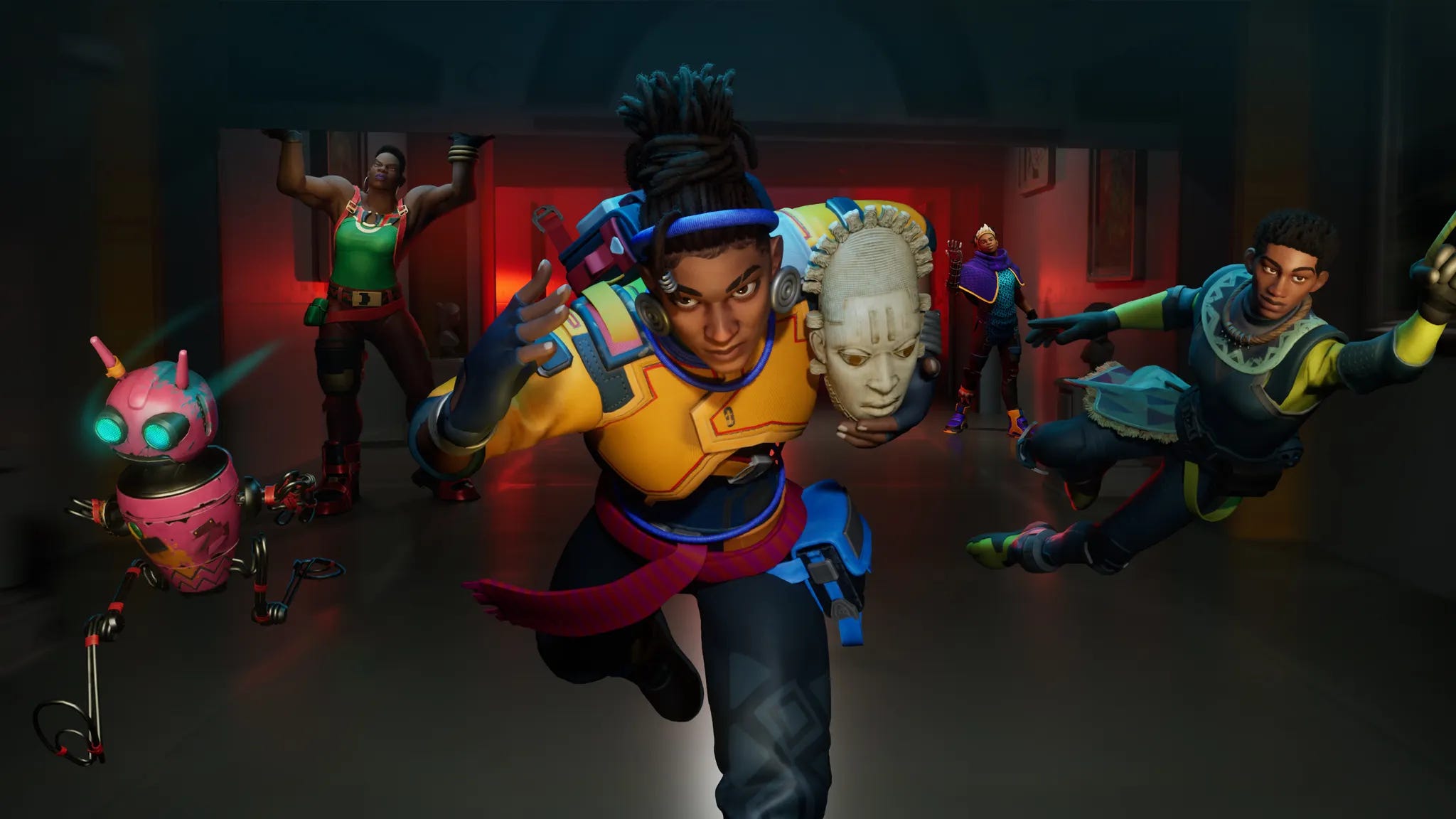
Relooted makes you feel like you're a mastermind, and escaping is thrilling, but there are just enough problems that drag the experience down to the point you can't ignore them.
I wanted to enjoy Relooted more, and I love the premise and gameplay, but much of what surrounds that is distractingly mediocre.
Australia Did It hands-off preview
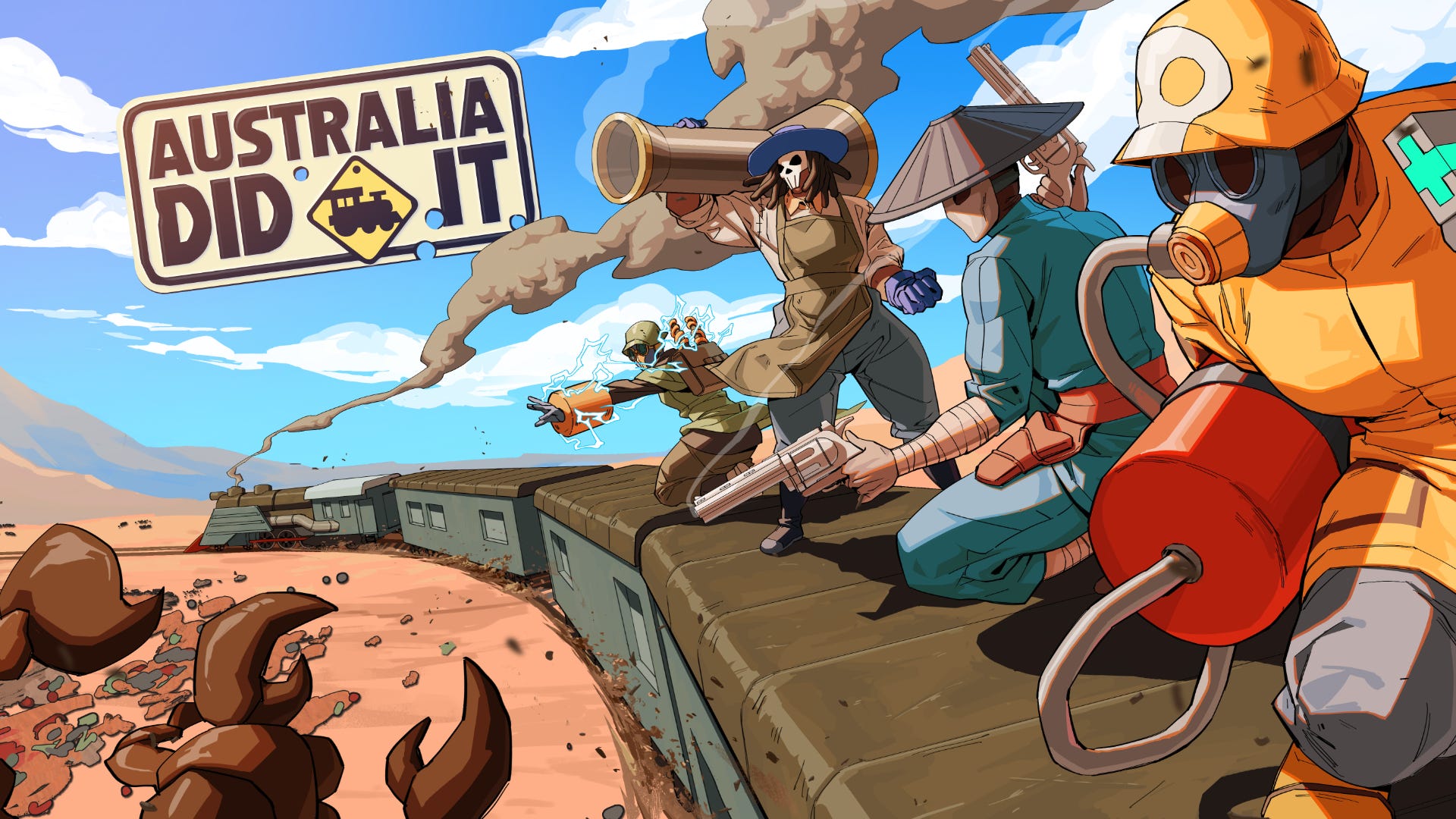
Australia Did It is nothing like I've seen before. It's a well-thought out experiment that's simple in presentation but looks tactical and outrageous.
I was invited to see and play Australia Did It before the Steam Next Fest demo launched, and I like where this game is going, and I love the title. I have footage later that you can watch.
We should appreciate video game music more

I played an impromptu game with my friends called “We listen, and we don’t judge.” The point is to share something that would likely be embarrassing, but now will be heard without judgment. I made an admission that in the past had been met with negative responses and weird looks: I listen to video game music.
My love for music in games was born when I was seven. My family had an NES, and it was connected to my dad’s impressive sound system. The only game we owned at the time was Tetris 2. So I went into solo mode, and when I hovered over the music section, I heard the C track (you could choose songs labeled A, B, or C) and fell in love.
This is one of the GamingTrend newsletter pieces I wrote. You’ll need a free membership to read it.
Denshattack! preview

You know what would be absurd and fun? Watching a train suddenly jump in the air and do a perfect 540. Just like how you can find an app for any weird fascinations, there's a game for this ridiculous fantasy: Denshattack!
Gaming CEOs don’t need to be gamers to run businesses
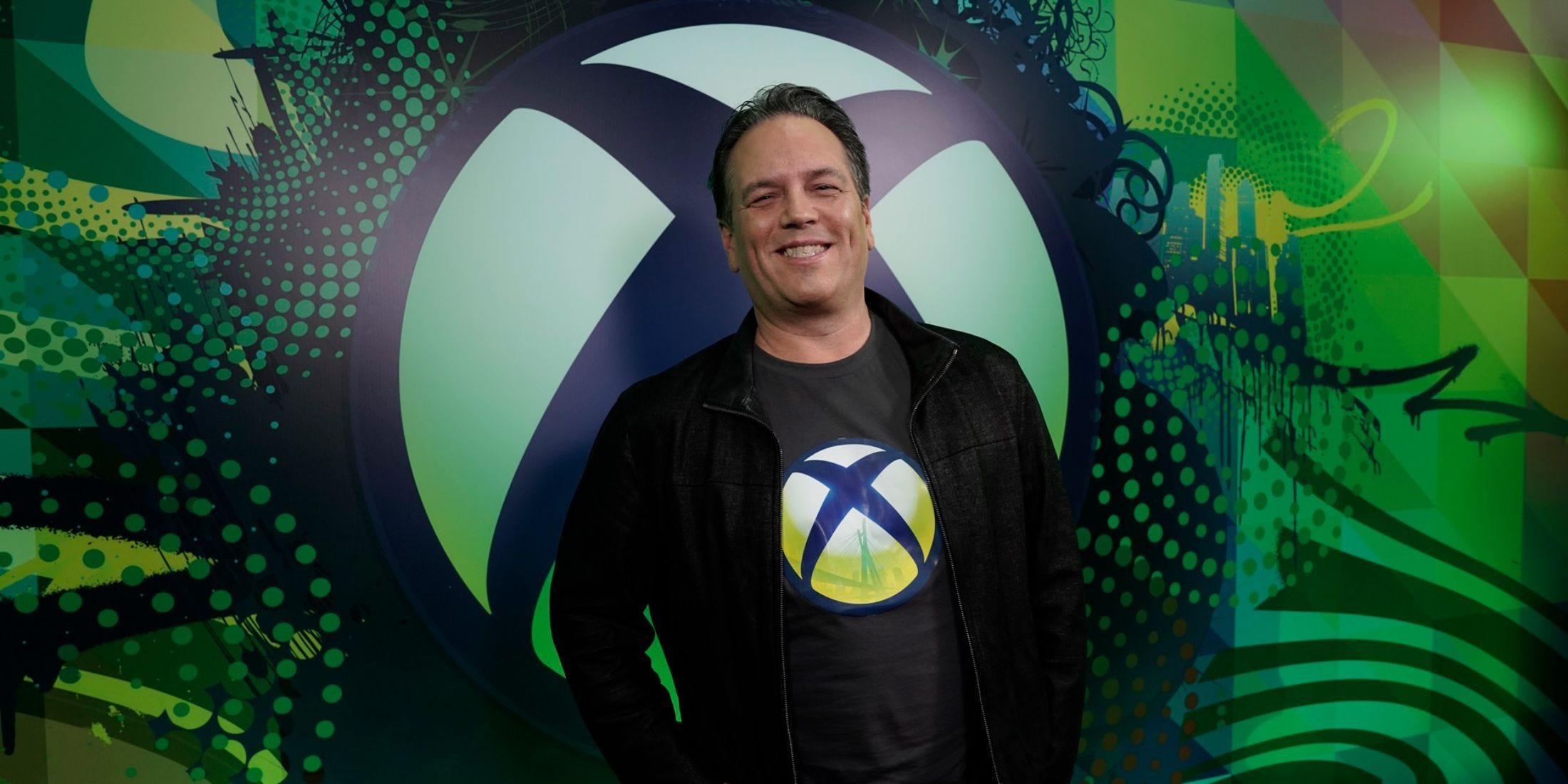
There’s an expectation among some who pay attention to the games industry that to lead a video game company—in order to thrive in this industry—you must be a gamer. “Show us your gamerscore!” its demanded. “Prove you’re one of us!”
That’s not true.
Hermen Hulst is a descendant of game development; look at how PlayStation is struggling. Phil Spencer, who announced his retirement last Friday, played the games, has a gamerscore over 120,000, and wore the shirts; he couldn’t get most of us to buy into Xbox. They’re both gamers, yet we’re unsatisfied.
There’s been enough people on the internet getting twisted in knots because the new Xbox CEO isn’t a gamer—she’s doing a poor job of trying to be one, too. That doesn’t matter. Can she make Xbox better? That’s the question. I don’t have much hope she can, but it’s not because she’s not a gamer. I don’t expect top executives to be masters of their products.
Games, Games, Games
I’m taking suggestions for a better name for this section, but this is what it feels like! A huge dump of the demos I’ve checked out, and this is only the last week of February. If time allows, next month will be a lot more. It’s like a treasure chest of games, except not all that glitters is gold. You’ll see what I mean.
Let’s start with my top 5 (in no particular order). It’ll be sorted randomly from there.
Australia Did It
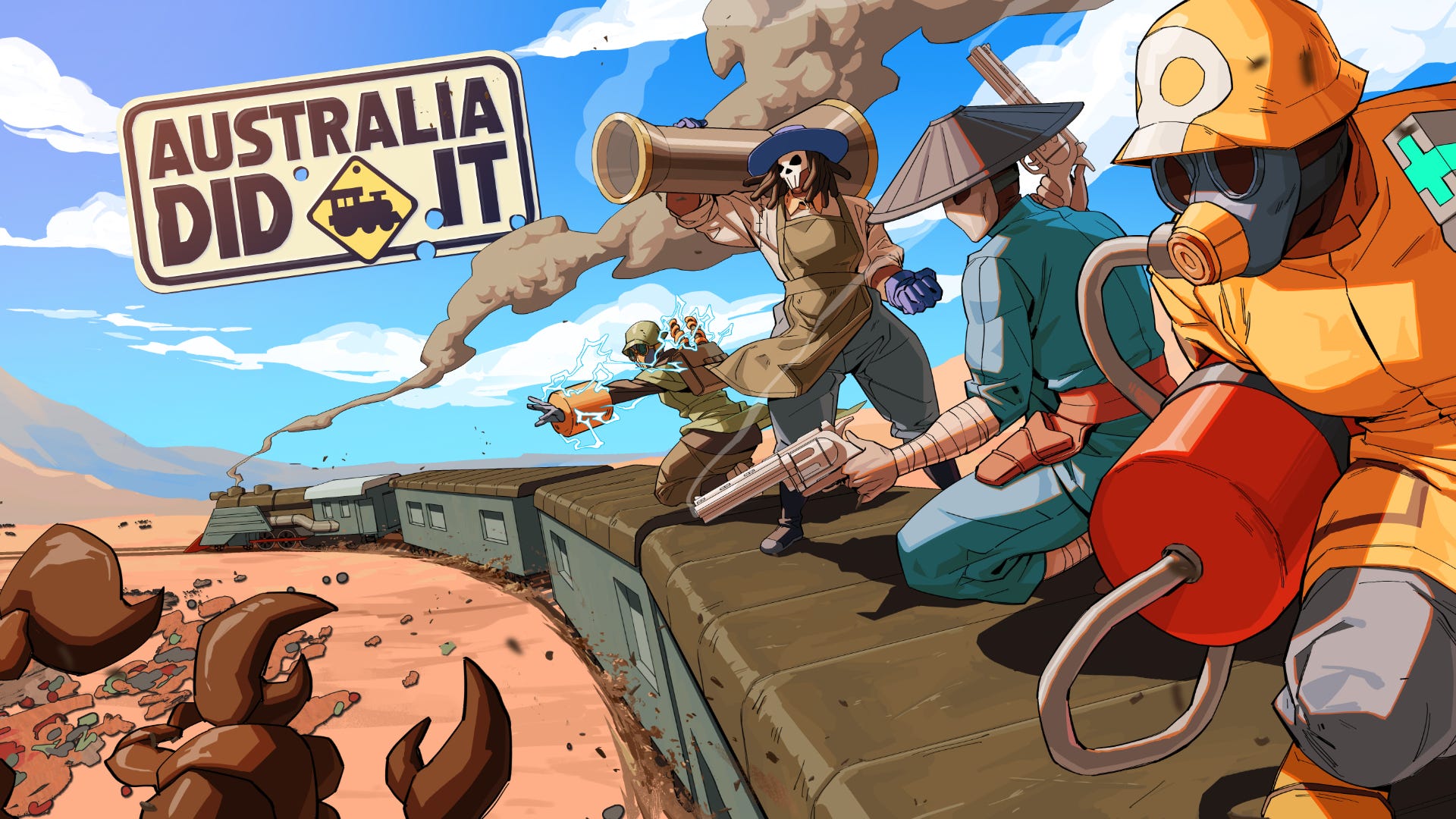
Australia Did It is a turn-based tactical tower-defense (think Plants vs Zombies) game combined with a new concept: reverse bullet hell. The goal is survival.
Each turn, you use mercenary units to destroy disgusting creatures and technologically advanced robots, and defend a train station. Once you’ve survived, you take off to the next station as hordes of enemies try to destroy you. This is where the reverse bullet hell comes in: you’re the bullet hell. But only so many units can shoot at a time and you have to choose the right units, otherwise it could cost you.
The most interesting element of Australia Did It is that you can combine units to make stronger units.
It’s not an easy game. It requires so much tactical thinking. Eventually, I realized it was impossible to calculate all the possibilities, so I focused on making the best I could make, which made it much more fun.
Rami Ismail, the developer, also mentioned that it’s okay to start over when you know it’s not going to work out. He wanted players to be able to know that pretty quickly so we didn’t waste our time. It’s nice to know it’s okay to quit.
Click the banner below to check it out.

Denshattack!

In Denshattack, you drive a train around a colorfully dystopian Japan and perform tricks like you would on a skateboard. The easiest comparison for the type of tricks you’re doing is Tony Hawk’s Pro Skater. Yes, you’re making a train do all kinds of flips and twists that skaters make their skateboards do.
But you also have to avoid obstacles and look out for collectibles if you want to achieve the highest scores and perfect each level.
You can read more about it in the preview above. It’s absurd, and it’s worth checking out.

Replaced

It’s 1980 and America has been devastated by a nuclear catastrophe. You control an AI, named R.E.A.C.H., that’s been forcibly trapped in a human body. The malevolent Phoenix Corporation created the AI and turned Phoenix-City into a walled-off stronghold. R.E.A.C.H wants to uncover what’s going on and why it exists. And I want to know why it was trapped in a human body.
Replaced is a 2.5D side-scrolling brawler with Batman: Arkham-style combat. The setting is dark, ominous, and tense, but fighting feels weighed down, not nearly as smooth and graceful as The Dark Knight. I enjoy its challenge, though.
David Burdette, my comrade and former podcast cohost alerted me to this one. He’s unashamedly already calling it his indie Game of the Year. I can’t blame him. I felt a similar way about A Space for the Unbound, when that game launched January 2023 (it landed as my second best game that year and best indie game).
I don’t share the same excitement, but I’m drawn to the unknown of this dystopian world.

Titanium Court
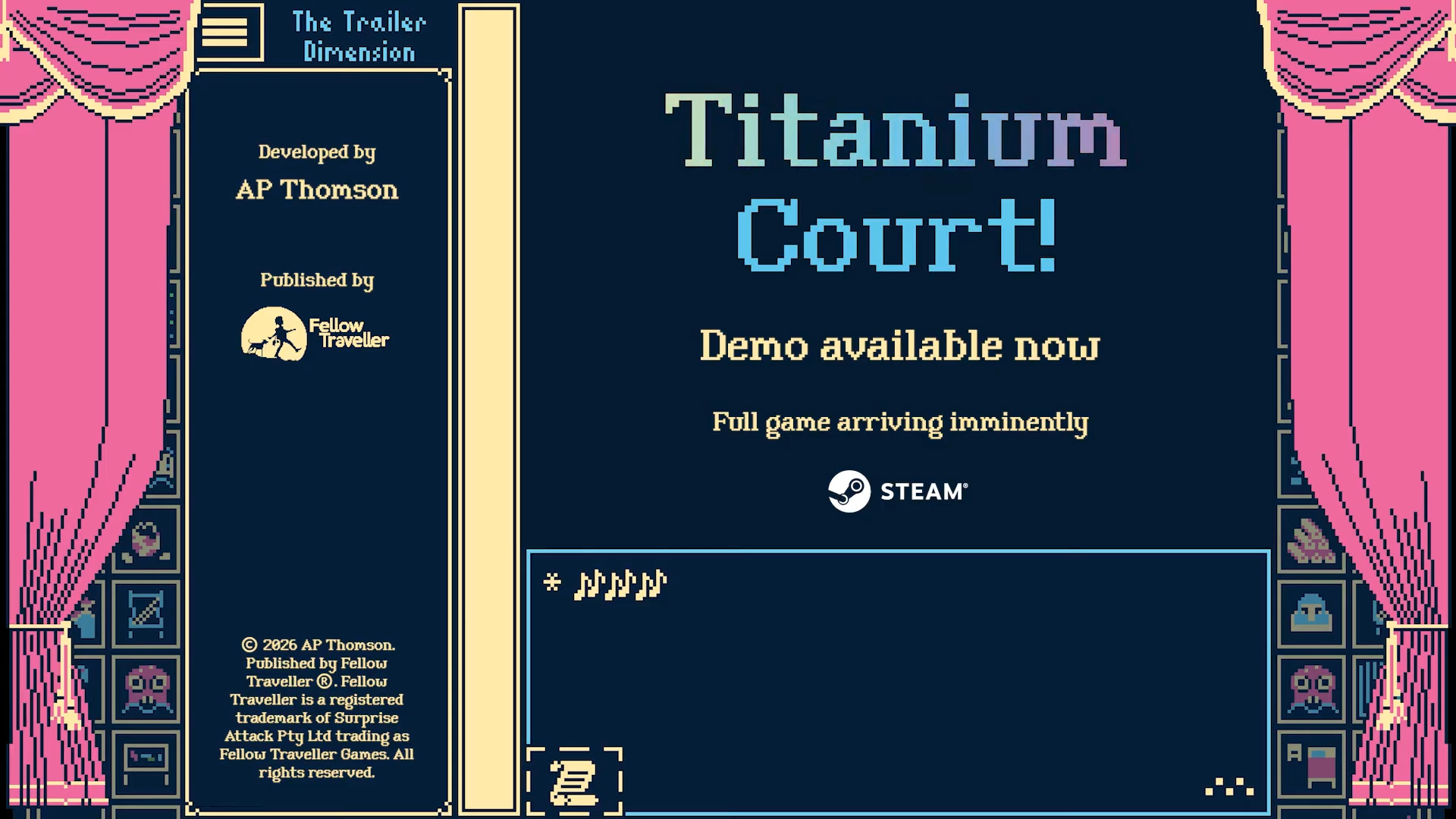
Titanium Court is the reason why you play indie games. You’d never find this unique take on a Match-3 game in AAA.
Titanium Court is a story-based Match-3 that feels like an improv set. You’re a crowd participant, and what you do during the Match-3 game influences what happens in the story. The tale seems like it has a beginning, middle, and end, but between the major events, you’re shaping the outcomes.
During the Match-3 sequence, you’re protecting the fort by manipulating mountains, water, forests, and enemies, and sending friendly units to gather resources. When you match three of anything, they go away, and new blocks fall from the top. The challenge is picking and choosing what you match. Eliminating every enemy will certainly protect the fort, but it could make it unlikely that your units can gather resources.
I don’t know how anyone came up with this, but not only is it unique, it’s brilliantly put together and addictive.
Fair warning: Titanium Court requires a lot of reading.
The demo took an hour, but it was well-worth it. I highly suggest you play it, and if you don’t have time, watch my gameplay. It’s fascinating.

Croak
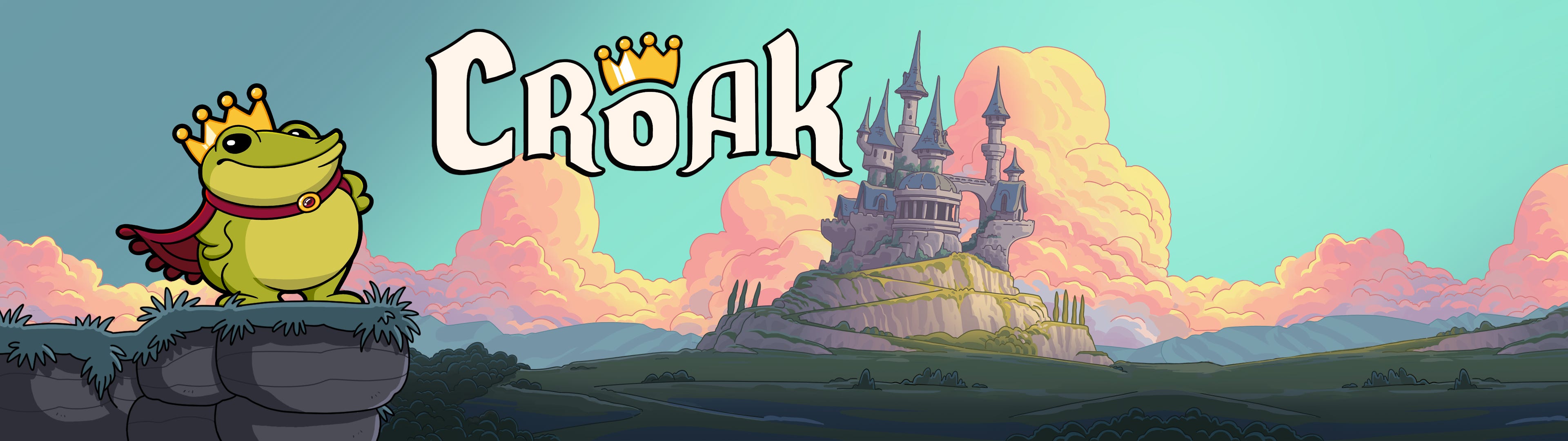
Croak is a fascinating take on Celeste, the difficult platforming game. Nearly all the foundational elements of Celeste—quick respawns, collectibles, intricate platforming—are in Croak. The difference is Croak uses his tongue to navigate levels. And it makes this disgustingly funny slurp sound. Like, it’s the perfect sound.
A major difference between Celeste and Croak is that this game includes arena bosses like a traditional platformer. Based on the first boss, it’s simple jumping, but the challenge is predicting which technique to use.
The level designs are smart, but, like other indie games, it’s missing a certain charm. Croak should have a lot more going for it, but I’m not drawn to Croak and his sticky tongue compared to Madeline’s inspiring story. But from a gameplay perspective, it’s a great take on this type of platforming. And the animations are superb. Some real professionals worked on those.

Lort
I saw this early access game blowing up on Steam, so I bought it to see why people were excited about it besides that it was on sale.
Lort is an action roguelike with co-op for up to 8 players. It’s a variation on Risk of Rain 2, but not nearly as polished—expected from an Early Access game.
You drop into an impressively big world to destroy varying-sized fortresses and complete objectives to fight the boss of that level. You’ll find loot and power-ups along the way that will, hopefully, help you succeed. Your time is short, though. You have three in-game days to defeat the boss, and if you don’t, well, I never tried to see what happens. But judging by the difficulty, I can’t imagine it would be good.
I’d argue Lort may have released into early access too early. It’s clunky, it’s missing sound effects that would add flair, the character balance is lopsided, and the difficulty increases unevenly.
They’re making updates, but there’s a lot more to go before this is ready to even attempt to compete with Risk of Rain 2.
This isn’t a demo, so I recommend that you don’t buy it. If you’re interested, wishlist it and wait about another two years (not exaggerating) before you try it.

Sky Drill
Remember Doodle Jump? That’s Sky Drill, except it’s a roguelike and much more difficult. The goal is to bounce the ball as high as possible, using different platforms made of different materials that influence how the ball bounces. Eventually, you will miss a platform, and instead of being able to recover, once you miss, you’re put into a freefall and turn into a drill.
You crash through the ground and drill as deep as your momentum can take you while collecting gems and avoiding rocks that slow your momentum. You can exchange the gems for money and pay for attributes and power-ups that will help you go higher as you use this stronger equipment to overcome previous limitations.
I love just playing the demo. It’s easy to get into, doesn’t waste time, and doesn’t require any advanced PC features. Sometimes the best games don’t require much. Sky Drill fits in that category.

Soccerboy vs Aliens
This developer clearly like futbol, and I’m guessing they have an appreciation for aliens, so why not make a game where a soccer-loving kid kicks soccer balls—better than Messi or Ronaldo—into aliens?
The story goes that aliens want the World Cup trophy, so instead of creating their own intergalactic team to take on us puny humans or just steal it, they kidnap one of the greatest soccer players. Now it’s up to Soccerboy to save the day by combining Mario-style platforming while kicking a soccer ball.
You can kick the ball in several directions and use it to collect items and perform trick shots while hopping to different platforms and killing aliens.
It’s an unwieldy platformer. Regular movement feels normal, but once you’re sprinting, jumping feels out of control. It reminds me of Super Meat Boy, but far less controllable, and the level designs don’t fit that degree of floaty imprecision.

Firebird - Tale of the Stolen Light
The artstyle immediately drew me to this metroidvania, and I wanted to give more time to see where this game goes, but it didn’t support gamepad, so my gameplay looks like I’m learning how to play games.
You play as a girl who wants to recover the stolen firebird, which prevented the world from being enveloped in shadows.
I’m already concerned about some of the platforming. There was a jump where I couldn’t see what was below me, which is classic platforming design that shouldn’t be copied. The combat feels weird, too. I’m not a fan of enemies being unaffected by hitstun to make me play a more defensive poke style.
But how I feel is also colored by playing with a keyboard.
I wishlisted it to keep it on my radar, but I don’t have high hopes for it.

Mombo Combo Legacy
When I first saw the trailer, I thought this might be a game that could give Sonic the Hedgehog a run for his rings. I saw a spinning character that was bouncing gracefully off of enemies, and I thought “This is what Sonic should look like!” as if I, a non-developer, cracked the code for Sonic.
Mombo Combo Legacy isn’t that significant, but it is fun. You play as a purple-humanoid character that likes dangle his tongue, and the goal is to create the biggest combo you can by bouncing off enemies and objects as quickly as possible.
It feels sharp, it’s playful, and it’s forgiving but still difficult.
Apparently, this is the second game for Mombo, so I’m going to wait for the first game to go on sale so I can play it and give my thoughts.
GetHigh.EXE
This was the strangest game I played. It’s $0.99 cents and I wouldn’t pay that for this. It’s one of those “Was this made with AI” levels of bad.
It’s a parkour game where you just jump over stuff, so it’s closer to a platforming game. Your goal is to reach the top of this digitized, wireframe-laden…mountain? Tower? I don’t know what it is.
The demo wasn’t ready when I played it. I couldn’t figure out how to invert my Y-axis with its awful menu that shuns text for some reason, like menu navigation is supposed to be a game as well. Once I died, I had to keep rechecking the inversion because it wouldn’t save.
You’ll see in the video that I couldn’t figure out one of the jumps because there wasn’t enough room to fit. I didn’t see any control for ducking, either. No other buttons did anything. Or maybe they did, but I couldn’t tell because the menu is its own form of discovery.
I didn’t see this until after I played but the description says only the sound effects and music were AI-generated. You sure? Are you sure about that?
I wouldn’t even visit the website. I feel like I’m going to download a virus or something.
It’s just bad.
Akatori
If I buy this one, that’ll give me more time to understand if Akatori is actually unfair or if I need more time. I have plenty of moments where I’m having fun, so I’m leaning towards I need more time.
Amber Storms are poisoning all living things, so it’s up to Mako to cleanse the world.
This is a Metroidvania that wants to be a souls-like, but the difficulty primarily comes from managing stamina instead of a blend of tough enemies and resource management. The uppercut move, in particular, doesn’t feel like one that should take stamina. I’m sure it demands stamina because it’s a launcher, but it doesn’t feel right.
It’s also very easy to get lost. I don’t remember if there’s a map, which I hope there is.
It feels good to attack and use the moves, though. Since the enemies take a lot of hits, I did have to dance around them a bit to avoid getting hit.
Akatori has plenty of potential. This one is definitely going on my wishlist.

TrailRail
This is a puzzle platformer where you play as a girl, and as you walk, a magical trail follows your movements. When you press a button, the trail solidifies, and you can move it around with your body.
TrailRail is one of the most interesting platformers I’ve played lately, and it’s definitely difficult, but I’m afraid it’s going to struggle with its own physics. You’ll see in my gameplay that I get stuck, and it’s because I can’t tell if I’m doing something wrong or if the physics aren’t cooperating—maybe it requires too much precision. I feel like that’s going to hurt the game for a lot of people who play it.
It’s a fantastic concept, though. The demo is definitely worth checking out.

Bombun
I see Bomberman all over this game—Bomberman 64 specifically. The feel of the music, the way the rabbit throws bombs (although the animation looks like Kirby 64), the level styles; there’s no doubt Bomberman is a reference. But there are enough stylistic differences and gameplay quirks that it stands out. I just don’t think it has the same—here’s that word again—charm.
It’s competent, but bland. You’re a bunny whose friendship with another bunny has suddenly turned sour, so they’re bombing your air fortress, and you must stop them. That’s pretty radical get-back if you ask me.
You run (slowly) around the levels trying to reach the end while destroying enemies. It felt too easy, but I can imagine some levels will require more sophisticated platforming.
There are some interesting ideas in here, but it’s definitely missing excitement. Still, I’d say check it out.

Crown of Silence
I’m not usually into self-proclaimed souls-likes, but I’ll try a 2D one. You play as an unnamed character who can wield several weapons at once—hammers, swords, throwable blades, you name it. You can switch between them for your preference or for what’s most useful for a fight.
The enemies have clever moves that I didn’t anticipate, which is exactly what you want, but how the enemies vary their moves might be too predictable to maintain the difficulty expected of a souls-like. Unfamiliarity is the reason I lost against the first boss as many times as I did, but once I understood the routine attack order, it was over for the boss.
But I’m not sure enemies can be shiftier since your confined to a 2D space, and your only movement utility is a dash, which doesn’t dodge attacks anyway.
It’s glitchy, too. I lost my ability to switch to my sword, so I had to settle for the hammer during the boss fight.
The pixelated graphics evoke a hellish mood, but the lack of visual contrast obscures pathways to move forward. I had to end my time with the demo because I couldn’t find where to go next, despite using the map. So, either the map isn’t clear enough or the environment is too obscure. Or maybe I’m missing something that would allow me to move forward.
Perhaps you would have better luck. It’s not polished, but it is interesting, and I think that’s enough to try it.

That’s it for this edition. See you in March!