



2025 was the hardest year of my life—quitting my job, my father-in-law’s death, and subsequently getting laid off was more than enough anxiety and sadness for a year. I’ve never thought of a new year as a reset—time is indifferent to our manufactured rituals (though I enjoy a good new year’s party). But January 1, 2026 will be an exception. I hope 2025 was better for you. No matter how it turned out, though, let’s have an awesome 2026 together.
The New Year
I don’t do New Year’s Resolutions, but since the games industry wakes up from its much needed hibernation in January, it’s a logical time to set goals. Let me share my editorial goals with you.
I want to play 40 games this year and review 25 games. This will help me improve my writing after taking two years off for podcasting work. And what’s cool for you is that I’ll present games that you may not have heard of.
I don’t have a goal for opinion articles, but I’ll have plenty of them for you throughout the year. I also won’t set a goal for the newsletter. I’m taking my time with this. I want organic growth and a community that wants to read what I have to say. No numbers for numbers’ sake. So if you’re reading this, that tells me you want to be here, and I am incredibly thankful for you. I hope I can make y’all proud.
December
This newsletter is a giant round-up; every review and opinion I wrote for GamingTrend this year—a giant ICYMI. I also include additional end-of-the-year impressions, and I share my feelings about the Pokémon franchise.
Don’t get used to this. Most issues won’t be this long. I hope you enjoy the too long for email edition! Happy New Year!
You can read the full version outside of email on the main page.
Year-end round-up
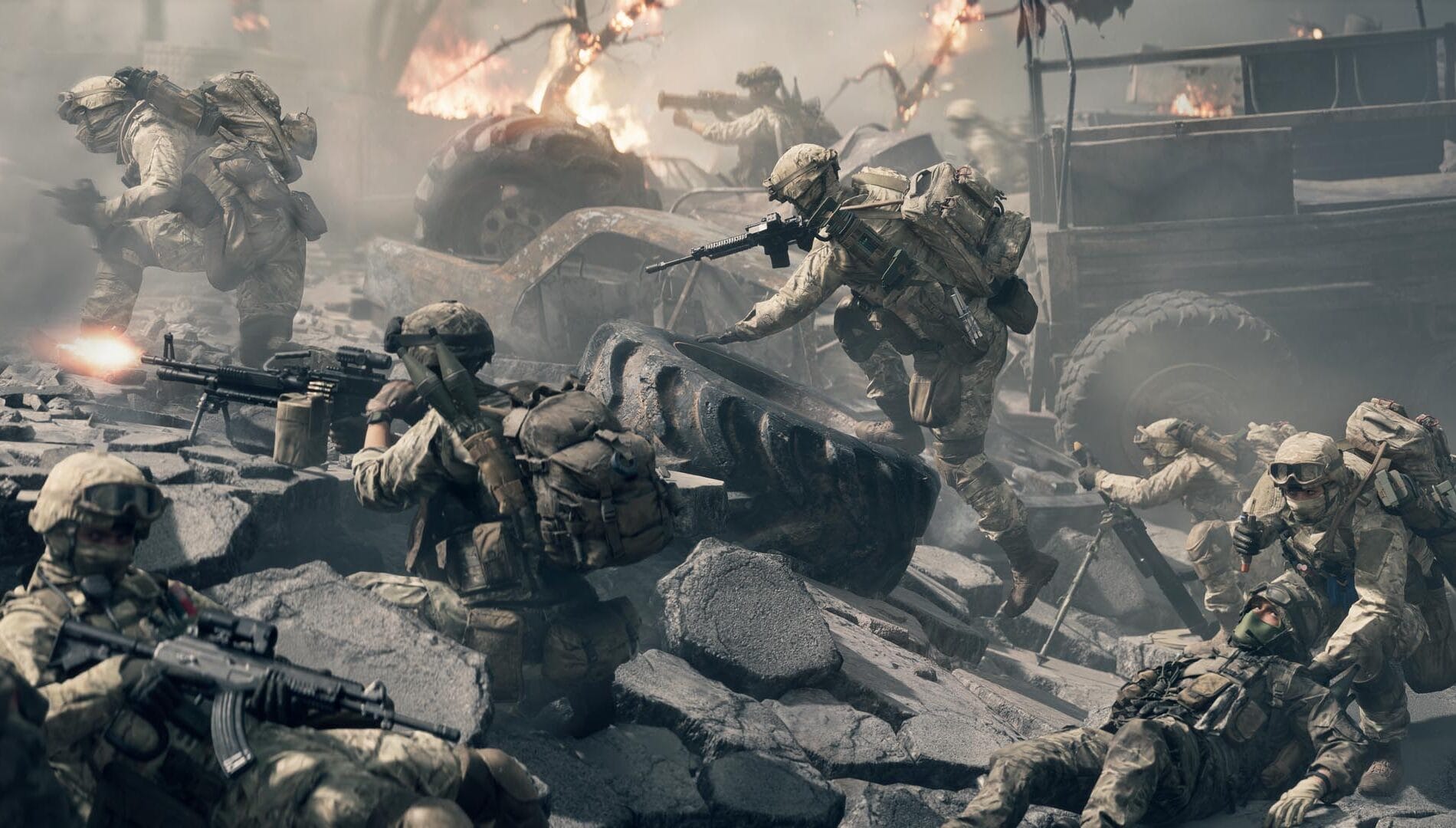
Battlefield 6 secure boot requirement killed my PC, EA should be responsible
I am one of the hundreds (if not thousands) of people whose PC suffered as a result of EA and DICE's quest to crush cheating in Battlefield 6. I understand why they want to do this: It negatively impacts the experience of hundreds (or possibly thousands) of PC players, and Battlefield 6 is looking to be a return to form for the franchise, and EA doesn’t want anything getting in the way of that narrative. Therefore, EA requires PC players to run their PCs with Secure Boot enabled when playing Battlefield 6 – even in the beta. But forcing all players to enable Secure Boot shifts the responsibility onto the players. This is EA’s problem to solve, not the players. And since this is their problem for the game they decided to develop so that we can buy and enjoy, they should be responsible for what happens to the machines of those who play their games.
I meant this with every fiber of my being. I almost permanently lost my computer, but a good friend came through for me and helped me purchase a new motherboard.
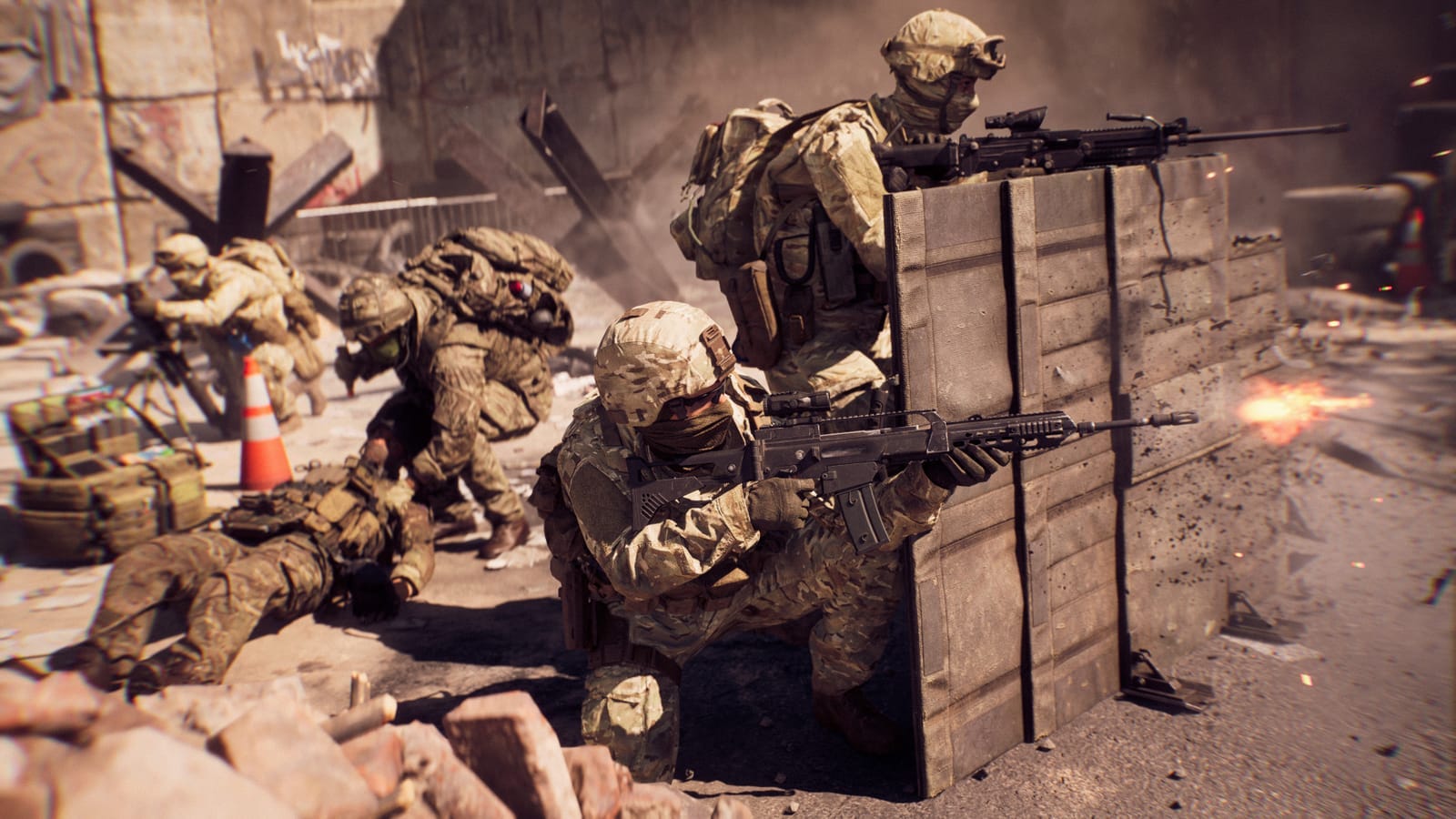
Battlefield 6 open beta impressions
Time will tell if it turns out to be bad design, but I liked how the maps created that sense of action. It felt like Operation Metro or Locker every game. If that sounds like a lot, it's because it is, but it doesn't change the essence of Battlefield. Vehicles had room to maneuver in the streets, but they were just wide enough so infantry could still launch rockets at them. Liberation Peak, a map set in a craggy mountainside, allowed jets and helicopters to fly around, and there was plenty of room to snipe people. That map was more free-flowing than the others, and it demonstrated that the funnel design can allow for some freedom.
This may or may not have aged well.
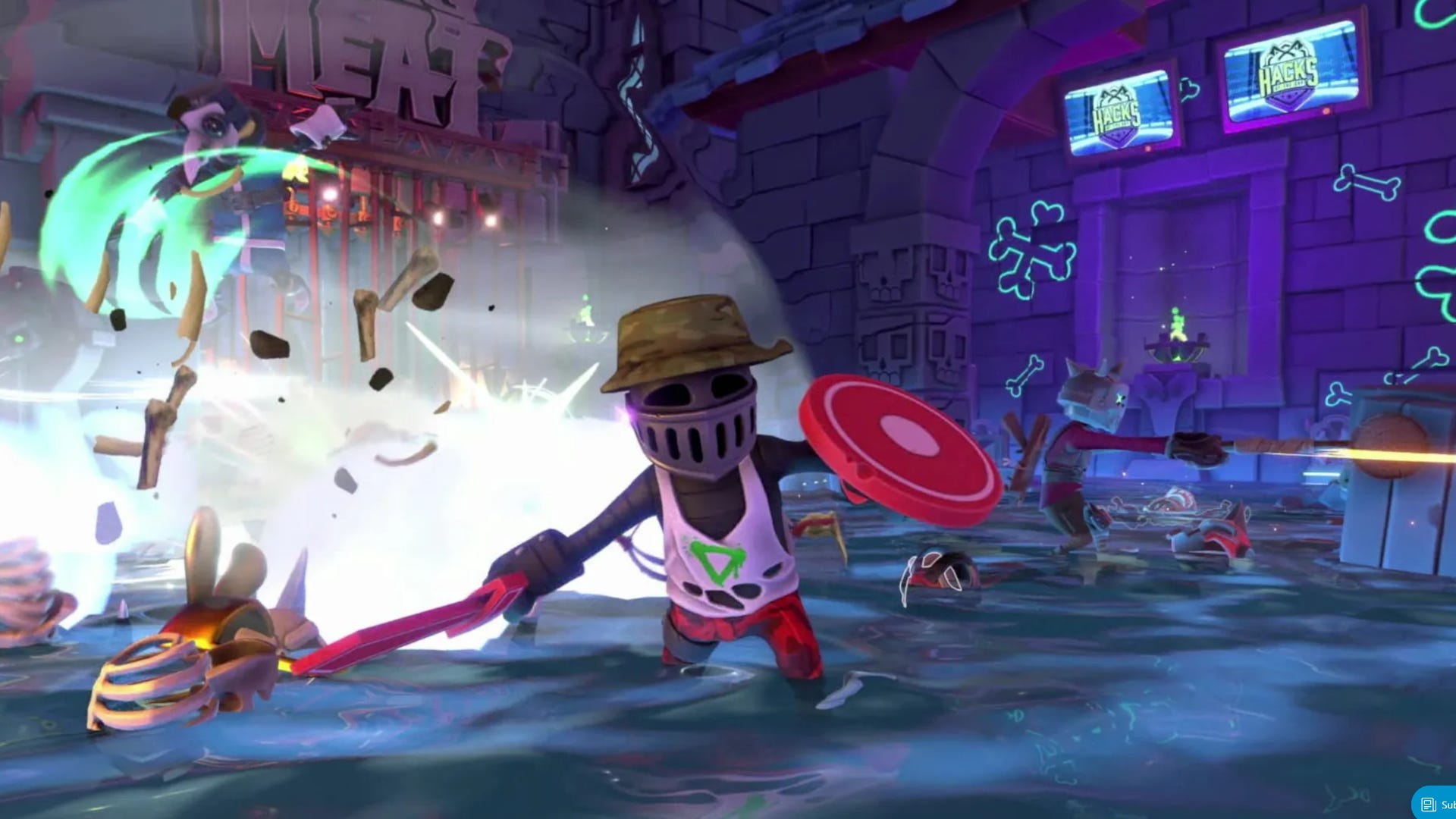
King of Meat review
King of Meat is an emotional roller coaster. I enjoy the electrifying world, the satisfying combat, and the inspired dungeon designs. But I was also tearing out what’s left of my hair in frustration at the contradictory flow of the combat and annoyed by the self-indulgent presentation and grating characters. These issues undercut everything I enjoyed about this co-op party platformer.
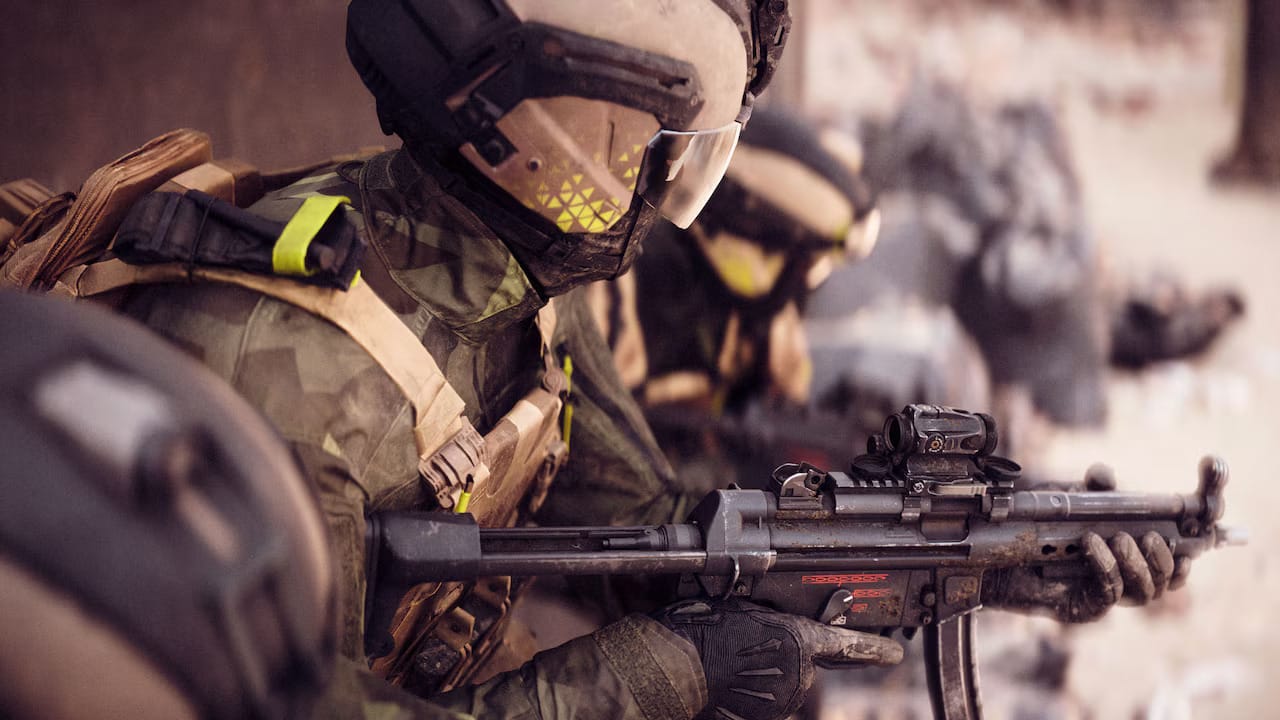
Battlefield 6 can dethrone Call of Duty in two ways
But the plan to allow more time to enjoy the beta is backfiring because the more I play Black Ops 7, the more I see why Battlefield 6 poses the threat that it does.
Battlefield REDSEC’s Gauntlet is better than the battle royale; more people need to talk about it
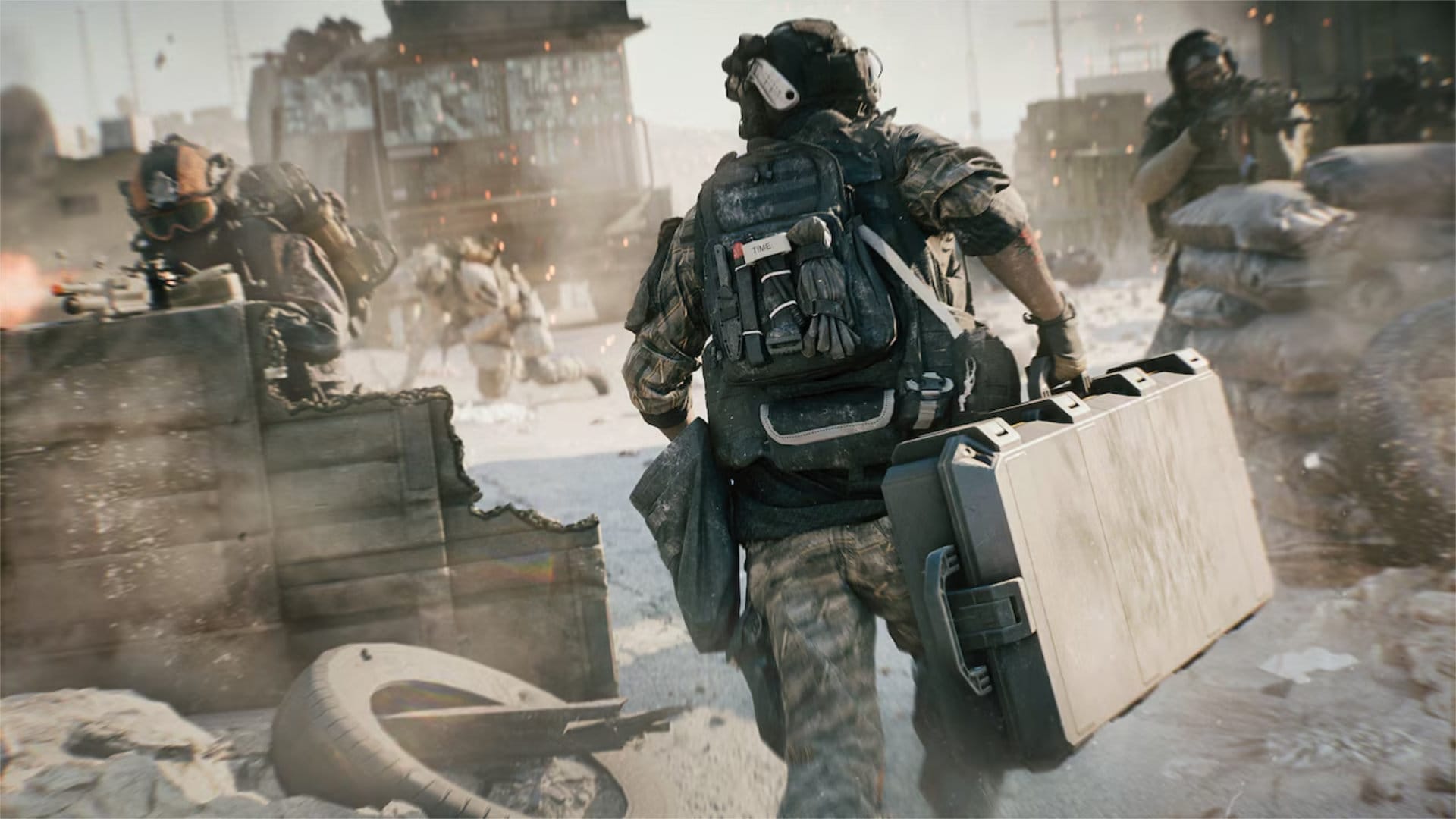
Gauntlet uses the same mechanics as the BR. I felt the same tension and thrill as I would in a BR match without needing to search for loot, worry about the map shrinking, and being eliminated from the game entirely, or waiting for a respawn. You play the whole game. Even better, you can use the loadouts you've worked hard to unlock from the base multiplayer game. If you like the BR but feel you're not good enough to survive, Gauntlet is a great entry point. It's considerably more interesting and fun.

Just Dance 2026 review
With the release of Just Dance 2026, the new era of Just Dance is now firmly established. If this year’s release is any indication, we’re in for a roller coaster with this franchise for the next five years. Ubisoft reinvented the interface and created a continuous package starting with Just Dance 2023, which had a solid setlist in comparison to the very good Just Dance 2022. Since then, the franchise has been good to middling. This year, Just Dance 2026 offers the weakest song selection in a very long time. Many of the dances are uninteresting, the new party mode disrupts what makes Just Dance fun, and the new camera controller is great for letting your hands be free, but isn’t any more accurate than using the Joy-Cons. Just Dance has officially become as inconsistent as an annual sports title.
Impressions
All greats have an Achille’s Heel: Clair Obscur: Expedition 33 impressions
Once a year I play a game with a story that overwhelms me with emotions. Last year I couldn’t play many games, but in 2023, it was A Space for the Unbound. The year before, it was Pentiment and Endling - Extinction is Forever. In 2021, it was Tales of Arise. These games elicited joy, laughter, melancholy, sadness, or pain. Usually a game focuses on sadness and joy, but the best games give me nearly all of those emotions. Clair Obscur: Expedition 33 was that game this year.
Clair Obscur starts deeply moving and sad. You’re dropped into the moments before the Gommage, a devastating event where friends, family, and loved ones all die at the hands of The Paintress. Every year, she paints a new number that has been counting down from 100. Anyone who is older than the previous number is tragically erased from existence. No one knows why, so each year teams of expeditioners—usually ones who have one year left to live—travel to the dangerous land where The Paintress lives to understand and end this diabolical ritual. This year, it's Expedition 33’s turn.
It’s a harrowing premise (an unfortunate rarity for high-profile games), but just like the 2024 Olympics, the French developers spare nothing in delivering maximum emotions and spectacle. The story is driven by beautiful graphics and animations, but most importantly, excellent writing and voice acting. There were only a few times when the dialogue or the story strayed into modern parlance unsuited for the time-period and twisted version of Paris.
Expedition 33 isn’t afraid of exploring death. Death is imminent, frequent, and melodramatic, but not overdone. The theme hovers like a fog—omnipresent but not offensive. It’s remarkable any humor is found in this game. The journey starts so hopeless and the stakes are so high it’s hard to imagine there is anything to laugh at. Yet, Sandfall manages to insert gallows humor, but there are other times when funniness feels disconnected from the undeniable seriousness of a situation. Still, the actors’ deliveries are so good, it’s easy to ignore the minor disconnects.
The Legend of Zelda: Wind Waker is one of the worst offenders of this terrible design idea. You go through all the places, complete the Tower of the Gods, finish all the temples, and oh, by the way, now you need to assemble the Triforce.
It can’t be overstated how melodramatic Expedition 33 is. Battle animations are drawn out and spectacular, conversations drone but provide delightful character insights, and voice lines are delivered with constant emotion. It wears its JRPG inspirations on its sleeve (Final Fantasy and Persona are games Sandfall Interactive named as inspiration), but still keeps its French aesthetics. Reference the 2024 Olympic opening ceremony and you’ll easily understand what I mean.
However, Sandfall couldn’t avoid a common RPG error: knowing when to stop. The drama reaches its peak at the wrong time. More than three-fourths through the campaign, I started to wonder when this journey would end, and by the time it should have, I was presented with my cardinal sin of gaming: the “Oh, by the way” quest. I’ve done everything I was supposed to do, it’s time to end this, but now I have one additional quest. Nothing kills my desire to finish a game faster than these hoggish fetch quests.
The Legend of Zelda: Wind Waker is one of the worst offenders of this terrible design idea. You go through all the places, complete the Tower of the Gods, finish all the temples, and oh, by the way, now you need to assemble the Triforce. That kind of fetch quest never makes a game better. It’s only a pretentious assumption that the gameplay is so gripping that time doesn’t matter. Not true. Time is always more important. The same thing happens in Clair Obscur. I’ll give Sandfall credit, the fetch quest is more entertaining because it’s a combat-based fetch quest, and it’s shorter, but it’s still unnecessary.
Turn-based games have received an unreasonably bad reputation as boring.
That’s the harshest criticism I have for an amazing experience, but that problem hurts the excellent combat, too. By the time you’re close to the end of the game, it’s combat sequence after combat sequence. It feels like you’ve done it all before, and you’re waiting to get to a boss fight or an enemy you haven’t encountered just to stay engaged.
Variety keeps Clair Obscur’s battles exciting. There is a parry and dodge system and another quicktime mechanic that constantly keeps you engaged through all phases of a fight. Mechanics are steadily introduced, which allows for a comfortable acclimation to the various systems. It also helps that losing yields no additional punishment to restarting from a gracious checkpoint. I felt enabled to fail and take on as many fights as I wanted (and I did). That wasn’t as simple against bosses. Losing to some bosses felt worse because they had multiple phases and losing meant starting the boss fight from the beginning. The early phases were always easier to get through, but it’s the only time the game feels like it demands perfection.
One issue I felt with the quicktime events on offense: It was less interesting due to its repetition, particularly if you’re using the same moves over and over. Certain skills require attention to timing to maximize healing, damage, or for the move to work at all, but it doesn’t give the same satisfying sensation like a parry.
Expedition 33 isn’t afraid of exploring death.
Turn-based games have received an unreasonably bad reputation as boring. Certain games give merit to that feeling, particularly ones with little strategic depth like—I hate to say it—Golden Sun, where it’s not challenging enough to adjust your strategy. Those games need more to maintain excitement (which Golden Sun has, okay!).
Clair Obscur, unfortunately, has this problem. Once I found a moveset that worked, there was no reason to change it, even when I attacked into a weakness. The strategy was in upgrading the right weapons and choosing the best Pictos. I never changed weapons for a fight, but adjusting Pictos for a fight made some battles much easier.
I didn’t get to finish Clair Obscur (hence why it’s not a review), but I see why Clair Obscur: Expedition 33 is the greatest game this year—I’m going to say in the last five years. It’s fresh, inventive, and unapologetically French. I hope this is a wake-up call to the rest of the games industry: Make smaller games, with smaller budgets, and take big swings with those.
Stop and go: Ball X Pit impressions
I’ll never forget this. I was seven years-old. I owned a Game Boy, and I was playing Centipede. I made it to around level 350. I was unstoppable. I wish I had proof, but this was before ubiquitous video capture. Centipede was one of those games where the difficulty stopped increasing after a certain level, and it became an endurance run. I reached that threshold, got in a zone, and I didn’t look back. I swerved my ship between mushrooms, dodged ridiculously fast and erratic spiders, and bobbed and weaved as loose centipede body parts wiggled around. I was entranced by the speed. My eyes quickly ping-ponged across the little screen sending information to my young brain at what felt like blistering speeds, and my fingers responded instinctively to every threat. After a while, the speed felt normal. That run ended in a classic childhood way—dinner time.
Games rarely provide this feeling anymore, mostly because they’re not designed like arcade games where the goal is to simply get high scores. Ball X Pit, inspired by arcade games of the past, creates the same feeling I felt playing Centipede. The problem is Ball X Pit constantly interrupts that thrill, and it diminishes my desire to play this creative roguelite.
If you broke Ball X Pit down to its core gameplay, it’s basically Breakout meets Space Invaders. You control a character that launches balls into enemies, and those balls bounce in various directions, ultimately returning to you, and you launch them again. The enemies appear in rows and columns and slowly glide down the narrow Tetris-sized lane to eliminate you.
And then it’s over. You’re back to the main area, and you have to restart another run, and build towards that rush again.
Your character (of which there are multiple to choose from) starts with a specialized ball that can do unique damage such as bleed or poison, or even damaging enemies while the ball passes through them. As you kill enemies, you’ll collect experience that allows you to choose between randomly generated perks to create a build. This is the first example of Ball X Pit inelegantly pausing the action. The selection menu covers the entire screen, meaning you can’t see the enemies anymore. It’s as jarring as playing a fighting game and someone accidentally hits the pause button. It’s like music stopping at a party—the vibe is lost if it doesn’t come back quick enough.
I’d usually present an alternative solution, but everything on the menu screen is necessary. You need to see what your upgrade options are and what they do; you need to know how they affect your character and stats; and I don’t think there would be a reasonable way to pick choices while still playing. But the results in power and effectiveness justify the relatively short pause.
The other more disruptive stop in play comes from just beating a level. Remember, arcade games like the ones Ball X Pit is inspired by don’t stop, but Kenny Sun decided it would be best if runs end at a predetermined point (a boss). It feels like it’s created that way because that’s what roguelikes are supposed to do—there must be an end! It’s not that Ball X Pit’s design is flawed; it’s fun…in bursts. I don’t want the fun to stop. Instead, Ball X Pit feels like a traffic jam.
In order to bounce your characters, you have to wait, similarly to a free-to-play mobile game.
Each level starts extremely slow. You’re weak and there aren’t many enemies. If you progress far enough and your build is good, you become overpowered, and that’s when you feel the adrenaline rush.
And then it’s over. You’re back to the main area, and you have to restart another run, and build towards that rush again. It’s not wrong or creatively inept to make the game this way, but it feels like a missed opportunity to enjoy and continually challenge your builds until you reach the toughest areas or die. It could even create a unique Roguelike experience and give you that rush.
Levels are separated into depths in the pit. The deeper into the pit you go, the tougher the challenge. But you can only access the other levels after attaining more gears to allow the elevator to go deeper. I imagine starting at level one and ending much deeper in the pit, depending on how well I did, all in one run. Once you’re done, you earn all the experience and resources. I don’t think it would break the pit part of Ball X Pit, either.
Ball X Pit, inspired by arcade games of the past, creates the same feeling I felt playing Centipede.
Above the pit is a town you set up using buildings unlocked through various means, and each building unlocks something that benefits your next run. But annoyingly, you can only unlock the perk after you’ve sent your characters bouncing into the buildings a certain number of times. It’s too many steps, but it’s the reason you must gain resources, and it would be nice to gather as many resources as possible in one run.
I recognize one long run could frustrate the pit experience. In order to bounce your characters, you have to wait, similarly to a free-to-play mobile game. As Ball X Pit is currently constructed, one run would give you so many resources that the only reason why you wouldn’t spend them is the timer. That’s typically 15 minutes or less. Imagine one run that lasts an hour and you only unlock one or two things for all the work. Also, making a run more than 15 minutes would create time constraints for a lot of people. That’s probably not this audience.
Umamusume: Pretty Derby
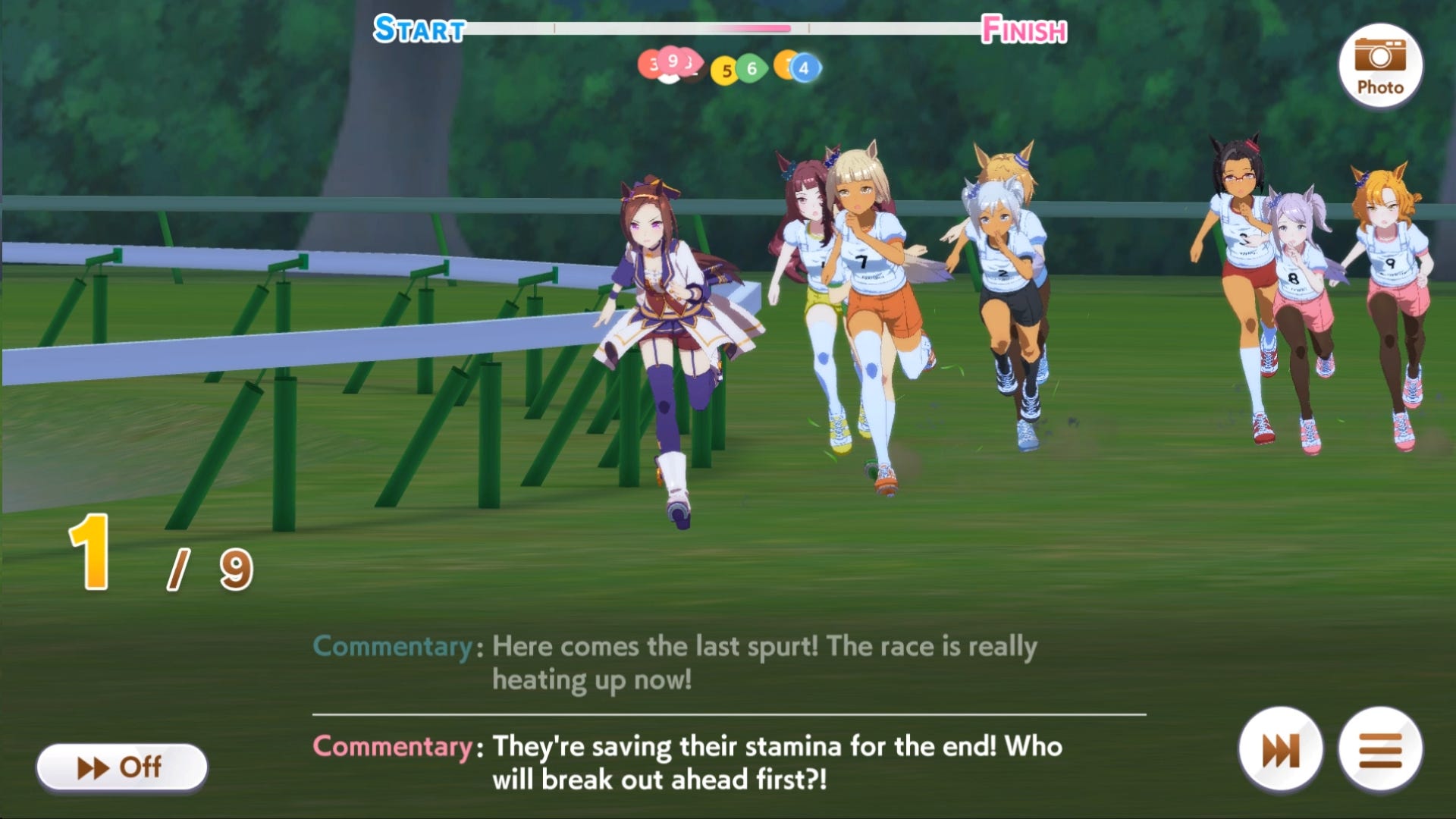
I hadn’t heard of Umamusume (pronounced Oo-muh-moo-soo-may), but because it won Best Mobile Game during The Game Awards (and received a loud applause), I had to check it out. When I opened the Steam page, I was immensely intrigued for two reasons: It had 11,000 overwhelmingly positive reviews on Steam, and it featured girls racing. Around a horse track. Like in a derby. Yes, it is subtitled Pretty Derby, but the bewildering realization doesn’t kick in until you see it in action.
After watching the trailer, I thought this was another Japanese game for men to ogle girls and metaphorically control them without being sexually explicit. To be clear, it is that, but the premise is deeper.
Cygames, the developer (one of my favorite Japanese developers, by the way), created Umamusume to tell the history of Japanese derby’s using anthropomorphized representations to make each story more engaging. Each girl carries the name of a factual horse and a humanized fictionalization of that respective horse’s personality. One story in the game told a tale of a racer helping pull a truck out of a lake. She was going to be late to the race, but she wanted to help anyway. I don’t know if that was a factual story, but I imagine it could be an allegory on how exceedingly helpful the horse was, or it could have actually happened. Cygames makes it difficult to know what’s fact, which defeats the purpose, but I applaud this odd of way of sharing a history.
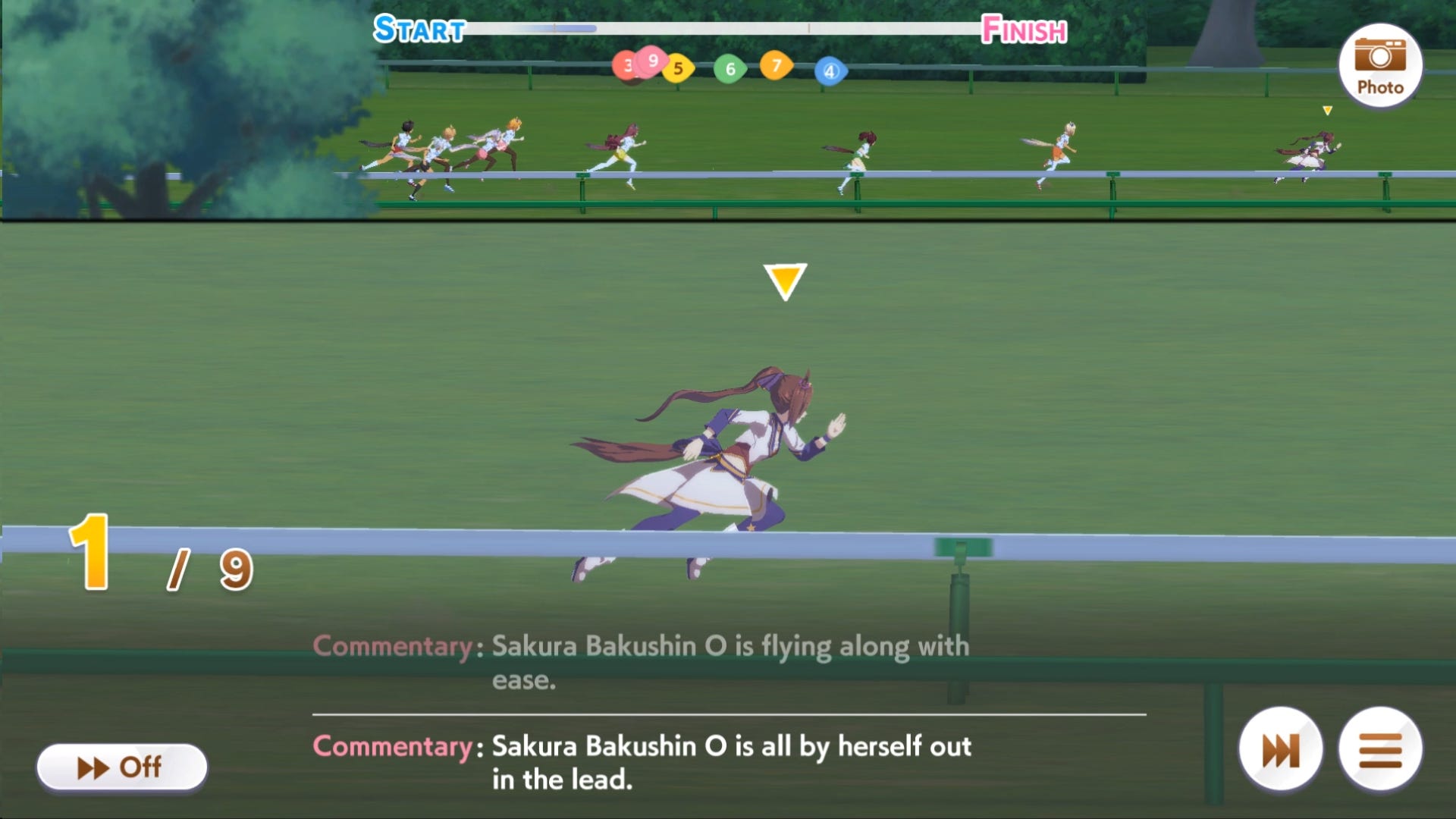
Umamusume is easy to try since it’s free-to-play, but there is an exhausting learning curve. You’re inundated with innumerable explainer tutorials up front making it easy to forget very important elements that create progress. It’s way too much to take in at once. I had to use a guide, not to know what the best strategies were, but to remember what the game told me. But once I figured out what to do, it was much more enjoyable.
It’s insightful how people view real horses who race. People talk of race horses as if they’re NBA athletes, but there are similarities: Horses have their own personalities, you can see them without any significant gear obstructing them, and many of them are approachable.
Umamusume: Pretty Derby is still an awkward way to tell the history of horses, and I still don’t feel 100% comfortable with the portrayals, but I also can’t deny that I’m fully invested in this game right now.
No evolution
My daughter is four-years-old, and parents of older children keep telling me that’s a great age. I agree and understand why. My little bean is amazed by everything. I’m not exaggerating. She’s amazed by shadows; how rain washes away her chalk drawings; how water boils; flickering Christmas lights; the different shapes of the moon; clouds in the sky; no clouds in the sky; and more. As the song goes: Everything is awesome.
Her wonder is inspiring. I long for the days when I could consistently look at something I’ve seen hundreds of times and find some intricacy I’ve never noticed before. But now as a dad, I’m not able to sit in wonder because I’m explainer dad. Along with my daughter’s wondrous curiosities, she also wants to know why. So I find myself pretending to be amazed to validate her amazement, but I would rather be as thrilled as her by that discovery.
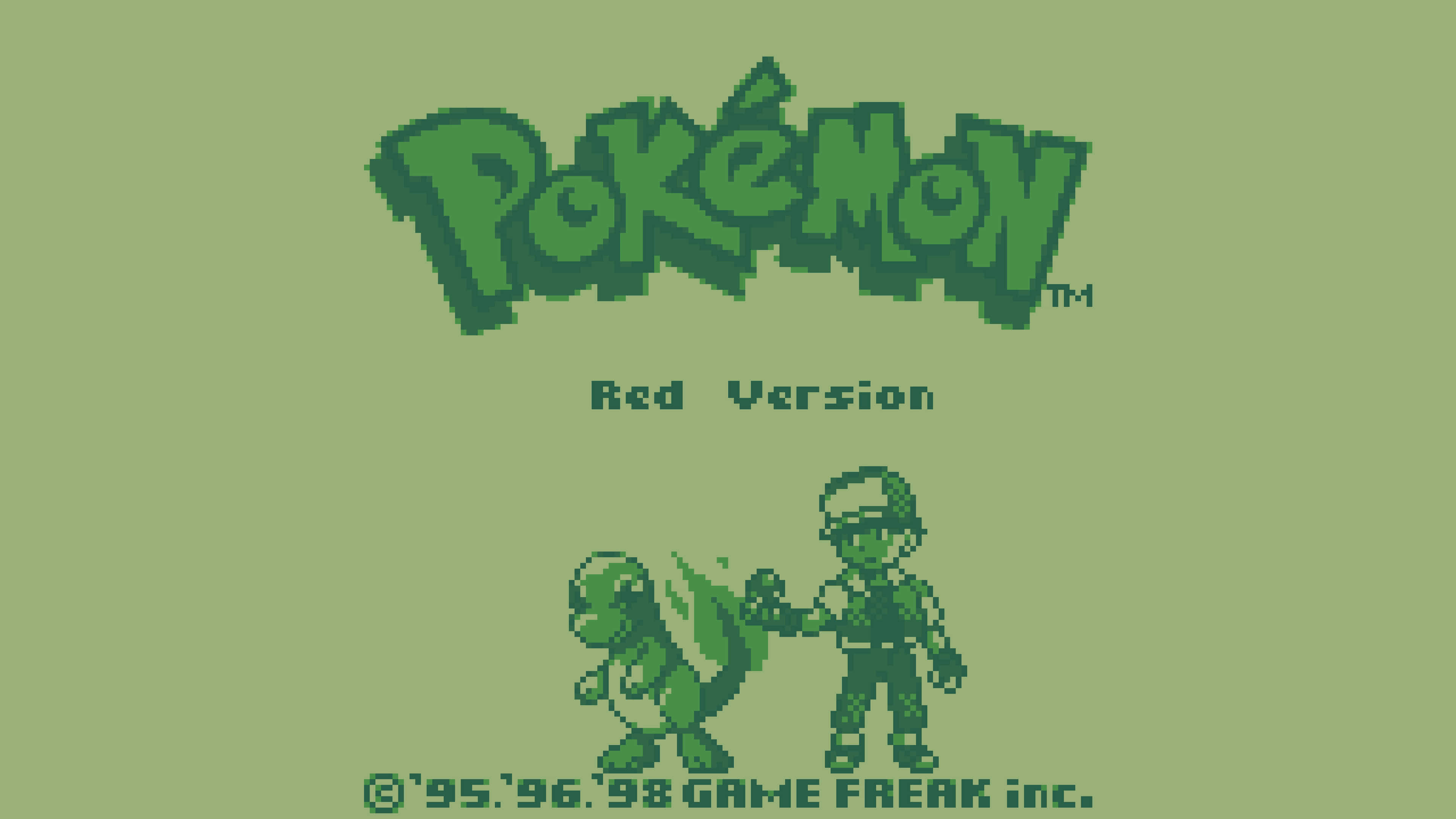
At 39 years-old this battle for wonder is what I feel with Pokemon. I’ve played the monster collection phenomena since its launch in the US. Kanto (didn’t formally have that name until the second generation) felt like a new world. I met people, formed relationships with my pocket creatures, and lived my own adventure. I continued to grow up in this world through the ensuing releases. When I visited Johto, I could make friends, explore well past the sun going down, and create new bonds with new combative companions.
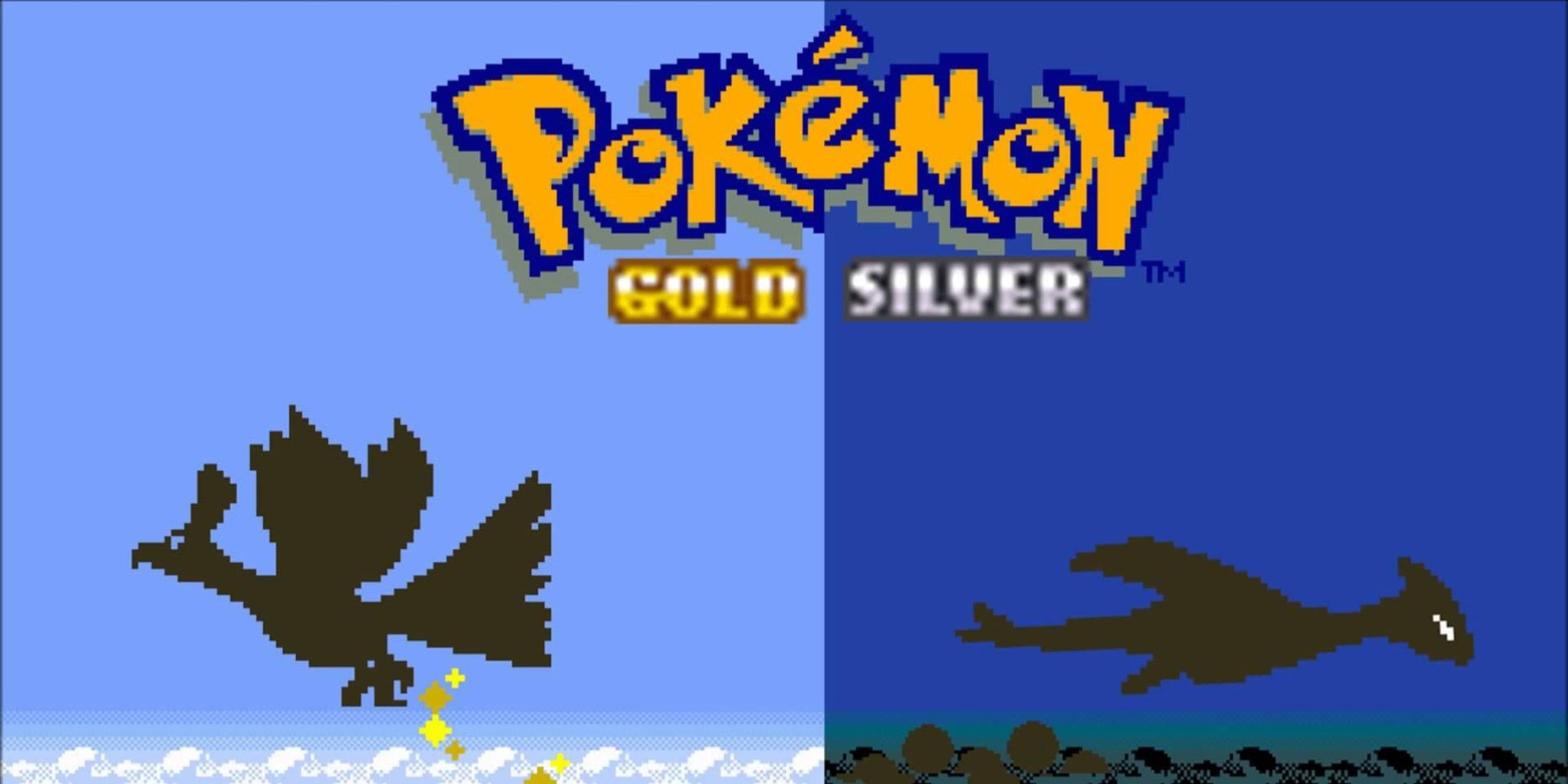
College didn’t stop me. The third and fourth generations allowed me to continue exploring new lands, meet unique personalities, and trade Pokémon with people all over the world. But by the fifth generation, the magnificence wore off. Up until Sun & Moon, I played all of them but didn’t finish them. The desire to become the very best subsided. The Pokémon mafias were less menacing and more laughable. Every city had gym leaders with the same quest to earn their badges. New creatures didn’t feel believable—like natural extensions of animals. Now we had chandeliers, appliances and electronics, and, literally, trash. Worst of all, the stories started becoming shallower, and I found it harder to role-play as an intrepid Pokémon adventurer. I already became a Pokémon master—like, 5 times. I achieved more than Ash, who still hadn’t conquered any Pokémon league. And with each new land I entered, I somehow was supposed to start each journey as if I had never done this before.
The fundamental problem with Pokémon is that Game Freak has frozen the franchise in time. Pokemon’s audience will always be young kids, as it should be, but there should be a version of Pokémon that speaks to an older audience, whether that’s teenagers or young adults. Mario has always appealed to a younger audience, yet it still has a maturity built in to its gameplay that allows adults to enjoy its colorful, whimsical, and notably predictable worlds. Pokémon doesn’t have the same room to mature its gameplay, but it can strive to evolve with its stories. I’m suggesting Game Freak add narrative depth.
When I was younger playing Red and Blue, I made up my own narratives as I traveled. Gym leaders I lost to were now rivals, and when I sought a rematch, there was no need to battle the underlings; I’m going straight for the leader, fully prepared. It was an anime episode in my mind. Maybe Game Freak couldn’t design a version of the nemesis system, but the worlds they create are full of personalities. There’s no reason why a Pokémon is unable to bring depth to human relationships. Why is nearly every trainer’s family just a mom? How did Giovanni run a gym and a crime syndicate for so long? What is it like for young adults to raise Pokémon and go on this journey? How do trainers deal with love, loss, family, education, politics, and other realities?
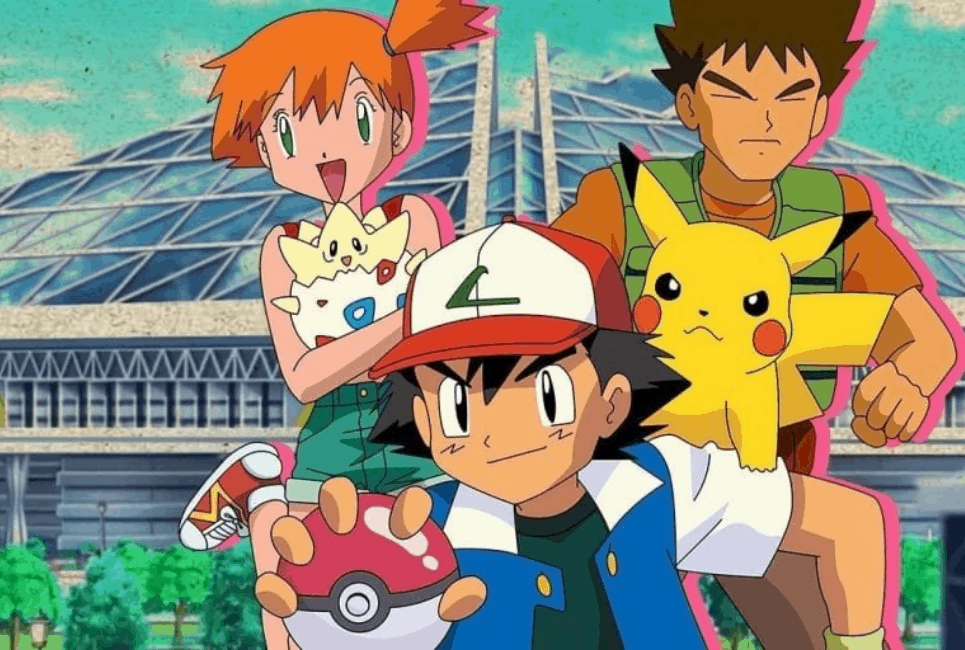
Game Freak is at the point of making multiple games at a time. Not one game in development can be geared towards an older audience—the audience that grew up with the franchise and still enjoys it?
My daughter will get to a point when shadows no longer excite her, the moons bright light will annoy her, or the water won’t boil fast enough. Instead, she will have to rediscover fascinating elements, but that will come through her own life experiences. Game Freak creates these exciting worlds that once captivated me, but I have nothing left to discover. I hope they realize adults still enjoy being wowed.
Demo Impressions
Super Meat Boy 3D
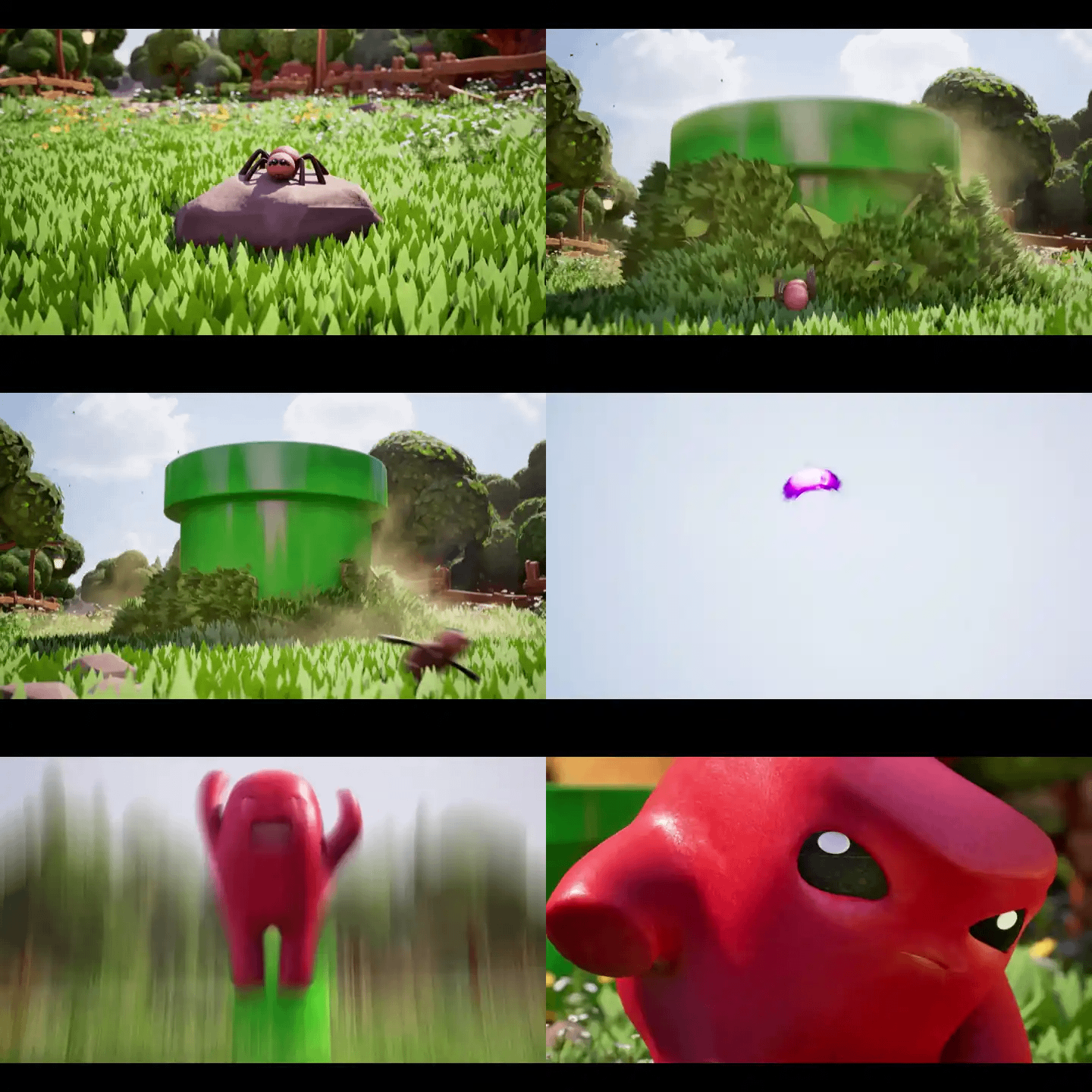
It was 1995. Super Mario 64 was launching the next year. I remember seeing screenshots of Mario’s pixelated body running through the bright green plains of Bob-Omb Battlefield in Nintendo Power magazine. It would be the first time Mario was rendered in 360 degree 3D in a game. How would the iconic platforming gameplay translate? We know how the story ends.
Super Meat Boy is following in Mario’s far less bloody footsteps. Our beloved OG of the tough-as-nails, beat-a-level-in-less-than-60-seconds platformer returns in full 3D. But that’s where Meat Boy ends his imitation of the treasured plumber. While Mario added punches and kicks, and essentially became an early collectathon adventure, Super Meat Boy 3D is nearly a one-to-one translation of its 2D predecessors. And based on the demo, it’s almost as fun.
The list of similarities between 2D and 3D Super Meat Boy is as follows: SMB 3D’s physics feel the same as in 2D. There’s still a stopwatch tracking how fast you can beat a level, Dr. Fetus still beats you and Bandage Girl up before taking her to the next level, and yes, it’s still tough as nails. In fact, it’s tougher, but not in the way it should be.
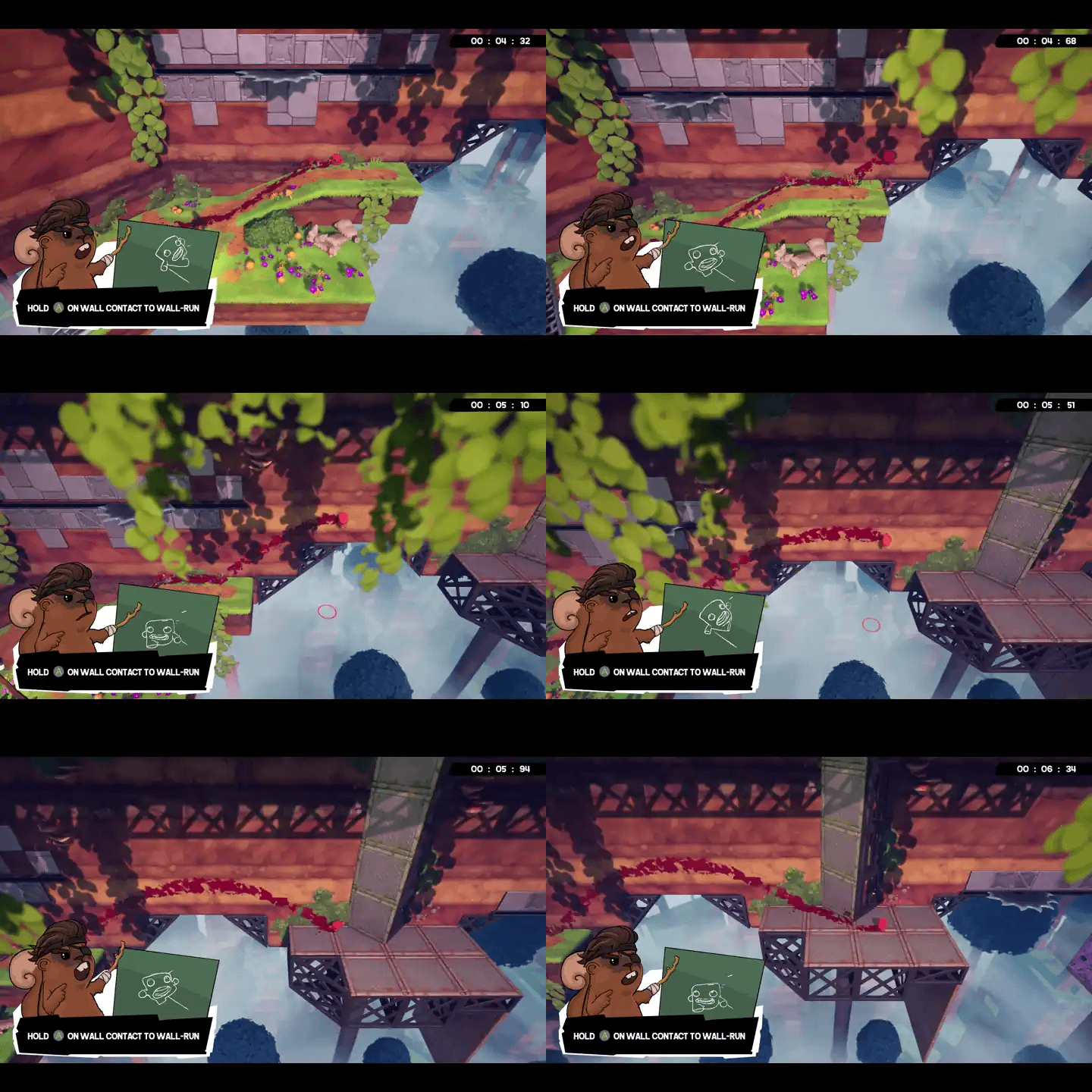
I’ll tell you now, if you try this game out, turn off 45 degree snapping. It’s awful. It makes you unintentionally flub angular wall jumps. Team Meat should remove that option. With that said, even with it off, Super Meat Boy 3D struggles with camera issues, even though it’s a fixed camera. It’s hard to see where to land, and it’s sometimes difficult to know where to go. I’ve died many times only because I couldn’t see what was ahead.
Objects tend to have unforgiving hitboxes as well. There was a level with metal scrap on the ground and I landed just on the edge of a hole with the scrap next to it. It looked like I could land there, but I died. Those are the kind of issues 3D brings, and it seems that, yes, maybe Super Meat Boy should stay in 2D.
But it’s not horrendous. It feels just the same as previous Meat Boy’s, though they’ve added wall-running and air dashing. It adds to the platforming challenge, but also challenges your finger dexterity. It’s very engaging.
I think Super Meat Boy 3D will do well. It will be challenging, but I don’t think it will feel as fair as its 2D predecessors.
Pragmata Sketchbook
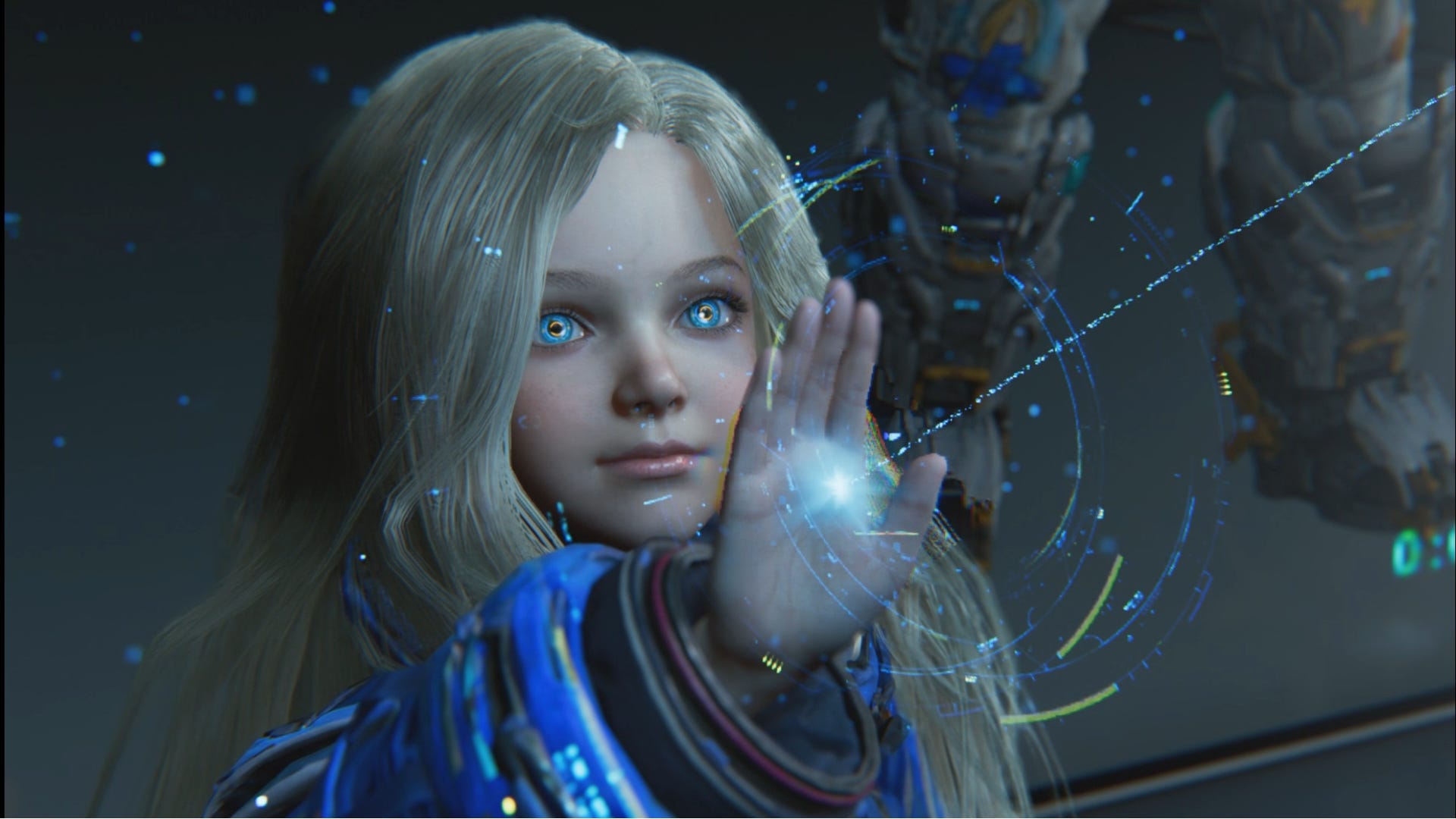
You would think shooters have exhausted every way we can shoot guns by now, but in Pragmata, Capcom devised an intriguing style that, I think, only Japanese developers could devise.
A bit of context: You’re dressed in a space suit with a young child hanging on your back, and you’re escaping a space station full of killer robots that walk like zombies. Shooting them takes a sliver of health, but the girl can hack them to blow open their exterior and reveal their insides allowing you to deal more damage. It’s the hacking makes the shooting considerably different.
When aiming down sights at a robot, a grid appears with several squares with a few icons in them. In order to open the robots, you must create a path to the power button icon. The first few times I did this, it felt overwhelming. How do I draw this path and keep myself from taking damage? That’s the feeling Capcom is going for. It’s not a creepy environment. It’s brightly lit, lots of white walls and the robot colors range from dark gray to white, but all the robots plod around as if it’s a zombie shooter. These ponderous robots allow more time to complete a hack, but the contrast between the environment and the enemies diminishes how overwhelming it feels. And when I played the second demo, I was hacking the enemies much faster, which erased any overwhelming feelings.

That said, there are a couple of ways Pragmata maintains the pressure. Many fights include multiple enemies. Most of the enemies used melee attacks, but a few are long distance. Keeping an eye on where each enemy is located creates harried moments, but once I became a faster hacker, I discovered that tracking enemies and how close they were was much easier.
The other way Pragmata applies pressure is by adding items in the hacking module. You’ll discover items that add bonuses once you’ve hacked a robot, but you must include them in the hacking path. The first item I received gave me more damage to hacked robots. I found another item that opened multiple robots at the same time. The items are placed randomly within the square, and that makes it much more difficult to manage. I had two choices: Go for the item or just open the robot and save the item. Sometimes I had enough time to make a mistake and undo the path, and other times I spent too long trying to include the item and took unnecessary damage. Thankfully, if you close the hack you can reopen it exactly where you left off. I can imagine situations requiring multiple enemies while multitasking detailed hacking creating tense situations. The question is if it would be fair.
Something that bothered me was how the weapon inventory worked. You’re always equipped with a pistol that holds 6 rounds, but automatically refills like a cooldown. Every other weapon has limited ammo. Guns sit on the ground like N64 and PlayStation area shooters, and you pick them up with a button. Once you run out of ammo, the gun disappears. It’s not a bug, but I’m not sure why that happens. Perhaps it’s meant to cause anxiety, but this wouldn’t function any differently than searching for ammo and keeping the gun.
It’s a small quirk, but it’s an example of the concern I have for Pragmata: it’s changing things for the sake of changing them. I understand art demands experimentation, and innovation can’t be achieved without trying things, and Pragmata is certainly trying things, but hacking and the disappearing weapons feel like an experiment more than a deliberate choice. Innovation is birthed from experimentation, but it still must be purposeful.
Out of curiosity, I want to see how far these systems go once Pragmata launches April 23, 2026. The hacking is certainly interesting, but I’m not convinced it will work through the whole game.
That’s the end. I’ll leave you with this video of my four-year-old learning Mario jumps. It’s quite impressive! There’s no sound because it’s at double-speed so it’s more interesting to watch. My daughter is Yoshi.
I’m learning four-year-old’s get overwhelmed quickly. She started strong and probably five minutes later she started forgetting how to jump at all. Video games give a good glimpse to how young kids learn.
See you next year!